
Shipping Container Event Space Rental Options
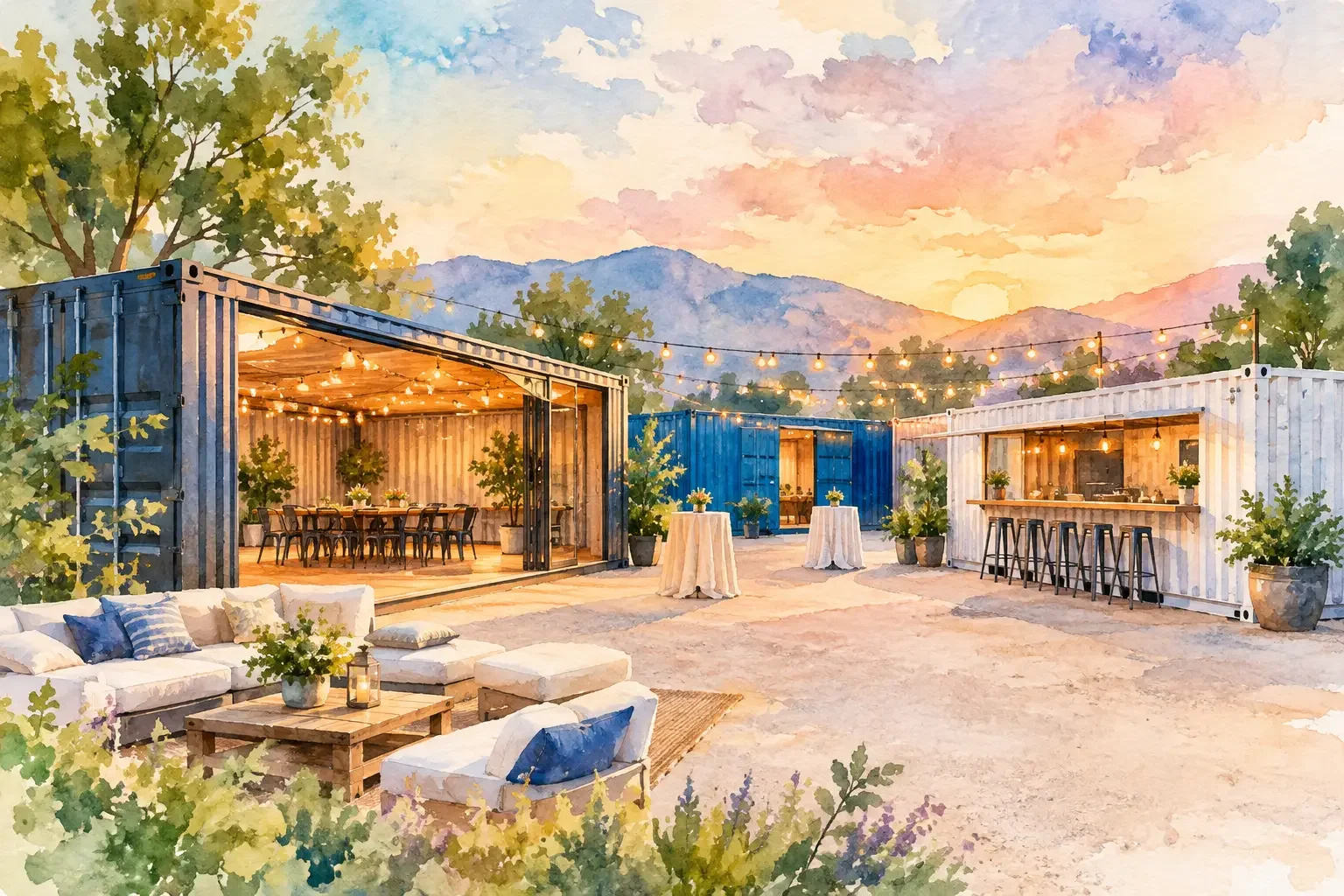
A shipping container event space rental can turn an empty lot, festival footprint, campus quad, or jobsite-adjacent area into a branded, usable venue without building a permanent structure. The container itself is only part of the decision. Event success depends on choosing a layout that supports guest flow, utilities that support the experience, and a delivery plan that works with the site.
For operators, agencies, retail teams, and venue managers, the appeal is practical: steel containers are secure, portable, weather-resistant, and easy to adapt. They can function as a ticketing point, merchandise shop, pop-up bar, VIP lounge, product demonstration space, registration office, green room, or equipment base. The right rental configuration should solve a defined operational need rather than simply create a visual centerpiece.
Start With the Event Function
The first question is not whether a 20-foot or 40-foot container will fit on site. It is what the space needs to accomplish during setup, event hours, and teardown. A container used for secured inventory storage has very different requirements than one intended for customer entry, food service, or staff operations.
A standard 20-foot container is often a practical choice for compact activations, check-in stations, small retail setups, or back-of-house storage. A 40-foot container provides substantially more floor area for product displays, hospitality functions, multiple work zones, or larger branding surfaces. High-cube containers add interior height, which can help when the design includes lighting, shelving, insulated ceilings, or a more open customer-facing feel.
If guests will enter the unit, plan around traffic rather than interior square footage alone. A single personnel door may work for a controlled staff area, while a retail or hospitality use may require wider openings, roll-up doors, windows, or multiple entry and exit points. The goal is to avoid a space that looks impressive from the outside but creates a bottleneck once guests arrive.
Shipping Container Event Space Rental Configurations
Most event projects fall into one of three approaches: a standard container used as secure support infrastructure, a lightly modified unit with access and presentation upgrades, or a fully customized branded environment. The appropriate level depends on event duration, audience expectations, budget, and how much setup labor is available onsite.
A standard wind and water-tight container can be an efficient rental solution for storing fixtures, promotional materials, audiovisual equipment, furniture, and high-value inventory. It reduces the need for daily loading and protects supplies overnight. For construction-related events, trade shows, and multi-day activations, this function alone can simplify operations considerably.
A modified container supports customer or staff interaction. Common additions include personnel doors, roll-up doors, windows, interior lighting, electrical outlets, insulation, HVAC, and shelving. These upgrades make the unit more functional in variable weather and more appropriate for activities such as retail sales, registration, demonstrations, or administrative work.
For high-visibility campaigns, exterior paint and branded finishes can make the container part of the event identity. Large, clean steel wall surfaces work well for graphics, signage, and sponsor recognition. However, branded treatment needs lead time, especially when it includes custom fabrication, paint, electrical work, or specialized interior finishes. A short-term event does not always justify a full build, but a multi-city tour or recurring seasonal program may benefit from a repeatable configured asset.
Plan Utilities Before You Choose Features
An event container without a utility plan can become a costly constraint. A retail point-of-sale system, refrigerated product display, lighting package, air conditioning unit, or coffee service station all place different demands on power. Identify electrical loads early and confirm whether the site will provide shore power, generator power, or a dedicated temporary distribution system.
Climate control is another decision that depends on use. In many U.S. markets, an uninsulated steel container can become uncomfortable quickly during summer heat or winter cold. If the unit will host guests, house staff for extended shifts, protect temperature-sensitive products, or contain electronics, insulation and HVAC should be evaluated as operating requirements, not cosmetic upgrades.
Lighting should match both the event function and the time of day. Interior task lighting may be sufficient for storage or staff use, while retail displays and hospitality environments generally need a more deliberate lighting plan. Exterior lighting can improve visibility, support branding, and make entrances safer after dark.
Water, drainage, and food service introduce additional complexity. A container bar or food activation may require local health approvals, handwashing access, potable water connections, wastewater handling, and approved surfaces. These details are site- and jurisdiction-specific. Confirm requirements before finalizing the container layout or committing to a menu and service model.
Make Site Access a Core Part of the Rental Plan
Container delivery is a site logistics operation, not a standard parcel delivery. The delivery truck needs a clear route, adequate turning room, overhead clearance, and an accessible placement area. Trees, utility lines, soft ground, parked vehicles, narrow gates, and active pedestrian zones can all affect whether a container can be placed safely and efficiently.
The surface matters as well. Containers need stable, reasonably level support to keep doors operating properly and to prevent settlement during the event. Depending on the location and duration, suitable support may include compacted gravel, concrete, asphalt, blocks, or another engineered solution approved for the site. Do not assume a grass field will perform the same way after rain, heavy foot traffic, or repeated vehicle access.
Placement should also account for door swing, guest queues, emergency access, and service paths. A container positioned tightly against fencing or another structure may block access to cargo doors or make restocking difficult. For customer-facing installations, leave room for queuing, ADA-conscious access planning, signage, and staff movement around the unit.
Local permits, fire requirements, occupancy rules, and zoning restrictions vary by city and event type. A container used strictly for storage may face fewer requirements than one open to the public. When the container becomes an occupied event space, coordinate early with the venue, event producer, local authority, and any required fire or building officials.
Balance Rental Duration Against Customization
Rental is often the right answer for a one-time event, a pilot activation, or a temporary operational need. It can provide a durable space without the capital commitment of purchasing a container. It also allows event teams to test demand, layout, and customer response before investing in a permanent branded unit.
The trade-off is that extensive modifications may change the economics. If a project needs custom openings, finished interiors, integrated HVAC, specialized electrical systems, or a high-end exterior treatment, the project may require a longer lead time and a more detailed quote. For recurring events, it can be worth comparing a modified rental program with ownership, particularly when the same configuration will travel repeatedly.
A clear scope helps control cost. Define the rental term, container size, condition, required modifications, delivery location, pickup timing, placement constraints, power needs, and branding expectations. Also identify who is responsible for site preparation, permits, utility connections, and restoring the site after removal. These items prevent last-minute changes that can affect the schedule or budget.
Build for the People Who Will Use It
A container event space should be easy for staff to operate under real event conditions. That means considering inventory replenishment, lockup procedures, cleaning, trash handling, cable routing, cash or device security, and weather exposure. A visually strong installation that requires staff to work around awkward doors, insufficient outlets, or poor ventilation will create friction throughout the event.
For guest-facing uses, the best configurations make the interaction obvious. Visitors should know where to enter, where to stand, where to pay or register, and how to exit. Windows, roll-up doors, counters, exterior signage, and thoughtful lighting can support that clarity without overcomplicating the structure.
Conexwest can help businesses match container dimensions, modifications, and delivery requirements to the intended event use across the contiguous United States. The strongest projects begin with an operational brief, then translate that brief into a container configuration that can be delivered, placed, powered, and used as planned.
Before reserving a unit, walk the site with the event schedule in hand. Trace the delivery route, mark the operating footprint, and picture the first hour after doors open. That exercise usually reveals whether the container needs to be a secure storage asset, a functional workspace, or a fully branded destination.