
Container Leasing for Flexible Jobsite Space
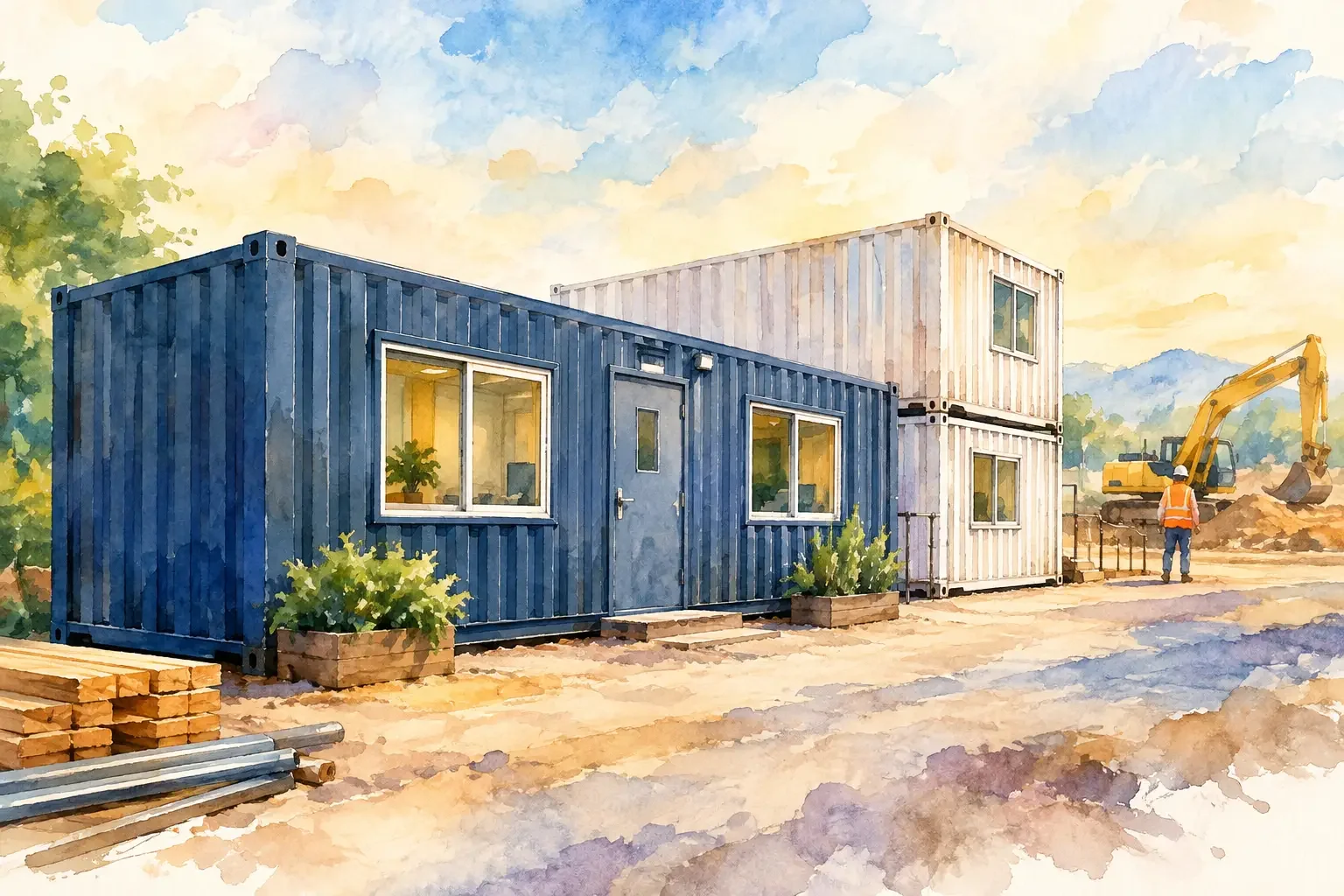
A jobsite rarely stays the same for long. Materials arrive before permanent storage is ready, crews need a secure place for tools, and a field office may be required months before a building is occupied. Container leasing gives operations teams a fast way to add durable, ground-level space without committing capital to a permanent asset.
For many businesses, the decision is not simply whether to lease or buy a shipping container. It is a question of project duration, site access, security requirements, modification needs, and what happens when the project is complete. A well-planned rental can keep equipment protected, crews productive, and sites organized while preserving budget flexibility.
When Container Leasing Makes Business Sense
Leasing is typically the practical choice when the need is temporary, uncertain, or tied to a defined project timeline. Construction firms may need storage through a six-month build. A retailer may need seasonal inventory capacity. A manufacturer may need overflow space during a plant reconfiguration. In each case, renting avoids putting capital into an asset that may sit idle once the immediate need ends.
It can also reduce the administrative burden of asset disposal. When a leased container is no longer needed, the provider coordinates pickup rather than leaving the customer to resell, relocate, or store a surplus unit. That matters for companies managing multiple sites or operating where available yard space is limited.
Purchasing may be a better fit for long-term storage, repeated deployment, or a container that needs substantial permanent customization. If a unit will remain at one facility for years, ownership can provide more control over changes, branding, and future use. The right choice depends on total time in service, not only the monthly lease rate.
Match the Container to the Work
A shipping container is more useful when its dimensions and condition match the material, equipment, or people it will support. Standard 20-foot and 40-foot containers are common choices for secure storage. A 20-foot unit works well for smaller jobsites, tool storage, maintenance supplies, and controlled inventory. A 40-foot unit provides significantly more capacity for bulky materials, palletized goods, or larger equipment.
High-cube containers add roughly one additional foot of interior height compared with standard-height units. That extra clearance can be valuable for tall shelving, oversized components, or storage layouts that require better vertical utilization. On a compact site, however, the larger footprint or delivery path may be more limiting than interior volume.
Condition should also be selected based on the application. A used cargo-worthy container can be an efficient option for dry, secure storage. Refurbished units may be appropriate where appearance, door operation, or weather protection requires additional attention. New or one-trip containers are often selected for customer-facing locations, high-value inventory, or applications where a cleaner exterior and more consistent condition matter.
Storage Requires More Than Square Footage
The container's interior layout affects daily productivity. A crew that stores hand tools, generators, fasteners, safety equipment, and consumables in one open box can lose time searching for materials. Shelving, cargo racks, lockboxes, and organized zones can turn a basic storage container into a functional site supply room.
Security should be considered before the container arrives. Standard cargo doors are durable, but high-theft environments may benefit from lockboxes, which shield the padlock from cutting tools. Placement also matters. Position the doors where staff can access them without blocking traffic, while keeping the unit visible from the site office or existing security coverage when possible.
Leasing Containers for Offices and Specialty Uses
A leased container does not need to remain an empty steel enclosure. Ground-level office containers can support project managers, dispatch teams, security personnel, and temporary administrative staff without the site preparation required for a conventional office trailer. Depending on the configuration, an office unit may include personnel doors, windows, insulation, HVAC, lighting, electrical outlets, and finished interiors.
This option is especially useful where teams need workspace close to the operation. A construction superintendent can work beside the build, a distribution yard can create a dispatch point near loading activity, and a remote industrial site can establish a practical administrative area without constructing a permanent building.
Refrigerated containers, commonly called reefers, serve a different operational need. They can provide temporary cold storage for food and beverage operations, agriculture, healthcare supplies, event catering, and grocery overflow. Reefer leasing requires more planning than dry storage because electrical capacity, operating temperatures, product loading patterns, and service access all affect performance. A reefer is not simply a cold room delivered to a site - it needs appropriate power and a clear plan for maintaining the required temperature range.
Understand the Rental Term and Site Requirements
Container leasing agreements vary, so the operational details deserve as much attention as the equipment itself. Confirm the minimum lease term, billing structure, pickup process, and responsibility for damage beyond normal wear. If the project schedule is uncertain, ask how extensions are handled and whether the container can be relocated to another site during the rental period.
Delivery is another planning point that can determine whether a rental is easy or disruptive. A delivery truck needs sufficient access, turning room, and overhead clearance. Low branches, power lines, soft ground, tight gates, and uneven slopes can complicate placement. The site should also have a reasonably level, stable surface that can support the container and its contents.
For a 40-foot container, access is particularly important because of the truck length and the space needed to position the unit. Some sites may require a tilt-bed delivery, while others are better suited to a roll-off or crane-assisted placement. The method depends on local conditions, container size, and whether the unit must be positioned in a constrained location.
Before delivery, identify the door direction and final placement point. A container that arrives with doors facing a fence, active roadway, or loading conflict creates a problem that could have been avoided with a simple site plan.
Consider Modifications Before Signing a Lease
Not every lease application needs customization. For basic equipment storage, a standard container with a security lockbox may be sufficient. But when the container is supporting work processes, modifications can have a measurable effect on safety and efficiency.
A personnel door allows staff to enter without opening heavy cargo doors. Roll-up doors improve access for frequently moved materials. Windows and HVAC make an office container more usable in demanding climates. Electrical systems support lighting, charging stations, and equipment, while insulation helps manage heat transfer for occupied spaces or temperature-sensitive goods.
The trade-off is that specialized modifications can affect availability, lead time, and lease economics. A highly customized unit may be better treated as a longer-term rental or ownership project, particularly if the same configuration will be needed repeatedly. Discuss the operating requirement first, then build the specification around it rather than adding features that will not improve the result.
Build a Clear Leasing Plan
The strongest container leasing decisions start with a short operational brief: what must be stored or supported, how long the need will last, where the unit will sit, who needs access, and whether power or interior improvements are required. That brief gives procurement and project teams a common basis for selecting the right size, condition, and configuration.
It also helps prevent a common issue: leasing a container quickly, then discovering that it cannot accommodate pallet access, crew workflow, electrical needs, or the site delivery path. A few decisions made before ordering can eliminate costly repositioning, downtime, or last-minute changes.
Conexwest can support projects that need standard storage containers, ground-level offices, refrigerated units, or a configured container solution delivered to the site. The practical next step is to measure the operational need as carefully as the available space. When the container is selected for the work it needs to perform, it becomes useful infrastructure from the day it arrives.