
Are Wind Water Containers Watertight? The Facts
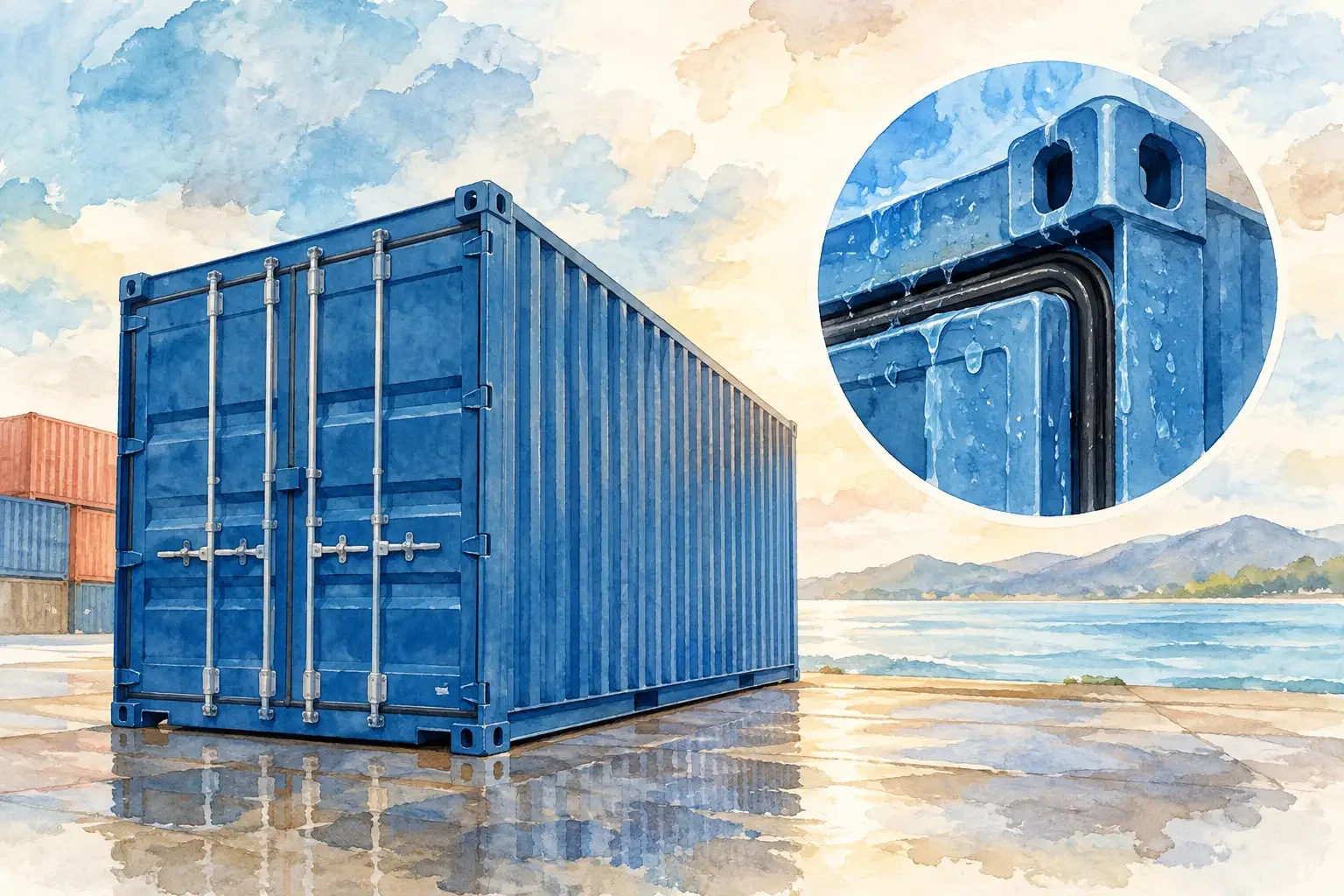
A container parked on a job site can look perfectly sound and still let in water during the first hard rain. That is why buyers asking, are wind water containers watertight, need more than a yes-or-no answer. Most containers sold as wind and water tight are suitable for protected storage, but their actual performance depends on condition, inspection standards, repairs, door seals, roof integrity, and how the container is placed on site.
For contractors, facilities teams, and business owners, the practical question is whether the container will protect the specific assets inside it. Tools, boxed inventory, records, electrical equipment, and finished materials have different moisture tolerances. Understanding what wind and water tight means helps you select the right container condition and avoid treating a general storage rating as a guarantee for every use.
What Wind and Water Tight Actually Means
Wind and water tight, often shortened to WWT, describes a shipping container that is intended to keep out normal wind-driven rain and weather. The term is commonly used for containers that are structurally sound enough for storage but may not meet the inspection standard required for international cargo transport.
In practice, a WWT container should have a roof, walls, floor, corner structure, welds, and cargo doors that do not show obvious openings where weather can enter. Doors should close and lock correctly, while gaskets should create a usable seal around the door perimeter. Small cosmetic dents, surface rust, prior repair marks, and paint wear may still be present, especially on used units.
A wind and water tight designation does not mean the container is airtight, humidity-proof, flood-proof, or suitable for direct exposure to standing water. Containers need ventilation, and normal temperature swings can create condensation inside a sealed steel structure. It also does not mean every container has been tested to the same standard by every seller. Ask what inspection and repair process supports the condition description.
Are Wind Water Containers Watertight in Heavy Rain?
For standard above-ground storage, a properly inspected WWT container should keep rain out during normal weather. However, heavy rain exposes weak points that may not be apparent during a quick walk-around. Roof pinholes, damaged welds, worn door gaskets, dented door frames, and failed sealant around previous repairs can all become leak paths.
The roof is the most common area of concern. Shipping containers are built to stack and travel, but years of handling can leave shallow depressions that hold water. Repeated ponding accelerates corrosion and can eventually create pinholes. A repaired roof can perform well when the work is completed correctly, but the quality and extent of the repair matter.
Door areas deserve equal attention. A container door may latch securely yet allow water entry if the gasket is brittle, torn, compressed, or misaligned. Door hardware that is bent or difficult to operate can also prevent the doors from seating evenly. For businesses storing valuable materials, a functioning lockbox improves security, but it does not replace a proper weather seal.
Container Condition Makes a Meaningful Difference
The condition you choose should reflect the value of what you are storing and how long the container will remain in service. A new or one-trip container generally provides the strongest starting point for weather protection. It has minimal prior handling wear, newer door gaskets, and a roof with little exposure to corrosion. It is often the right choice for sensitive inventory, finished goods, electronics, documents, or a project that will be modified into an office or specialty space.
Used containers can be a cost-effective option for equipment, construction materials, agricultural supplies, and general site storage. A well-maintained used WWT container can provide dependable protection, but buyers should expect visual wear and should confirm that any notable roof, wall, or door repairs have been addressed.
Refurbished containers can bridge the gap when appearance and performance both matter. Repairing corrosion, sealing known leak points, repainting exterior surfaces, and replacing damaged components can extend useful life. The right approach depends on whether you need basic storage, a customer-facing structure, or a foundation for a more involved build.
How to Evaluate Watertight Performance Before Delivery
A serious container inspection looks beyond whether the doors open. Start with the roof, including the top rails and corners. Look for severe dents, visible holes, corrosion around repairs, or low areas where water may collect. Interior daylight is an immediate warning sign, but not every leak will be visible under dry conditions.
Next, inspect the door end. The doors should swing, align, close, and engage the locking bars without excessive force. Examine the rubber gaskets for cracks, missing sections, and areas that have flattened enough to compromise the seal. Check the door header, sill, hinges, and surrounding welds for damage.
Inside the container, watch for rust streaks, staining, damp areas, mold, or an odor that suggests recurring moisture. Inspect the wall-to-roof seams and the floor perimeter, especially near the cargo doors. A sound plywood floor is important for load support, but it will not compensate for water entering through a damaged roof or door seal.
For a high-value application, document the agreed condition in the quote and discuss any project-specific requirements before delivery. A supplier should be able to help match the container condition to its intended use instead of treating every storage need the same.
Site Setup Can Create Water Problems
Even a watertight container can develop avoidable moisture issues when it is placed poorly. Set the unit on stable, level supports that keep it above standing water and provide bearing at the corner castings. Concrete blocks, railroad ties rated for the load, gravel pads, or engineered foundations may be appropriate depending on the site and container weight.
Level placement matters for door operation and drainage. A container that twists or settles unevenly can put pressure on the door frame, making it harder to close and reducing gasket contact. Slightly elevating the door end can encourage roof drainage away from the doors, provided the support plan remains stable and manufacturer or engineering requirements are followed.
Do not confuse water intrusion with condensation. Steel walls cool rapidly at night and warm during the day. When warm, humid air is trapped inside, moisture can condense on the ceiling and walls, then drip onto stored goods. This is especially common in humid climates and in containers loaded with moist materials. Desiccants, moisture barriers, ventilation, insulation, and climate control may be needed based on the contents.
When a Standard WWT Container Is Not Enough
Some applications call for more than basic weather protection. Climate-controlled offices, laboratories, food-related storage, medical inventory, and sensitive manufacturing materials may require insulation, vapor control, HVAC, electrical work, and sealed penetrations. Every added window, personnel door, vent, conduit, or mechanical opening must be properly framed, flashed, and sealed to maintain weather resistance.
Refrigerated containers serve a different purpose. A reefer unit is designed for temperature-controlled cargo, but it should be evaluated for its refrigeration condition, electrical requirements, floor configuration, and intended operating profile rather than selected solely because it appears more enclosed.
For long-term deployment, planned modifications are usually better than field-installed openings or temporary patches. A fabricated container can incorporate roll-up doors, personnel access, windows, shelving, insulation, and electrical systems while preserving structural strength and managing water around each penetration. Conexwest can help buyers align those modifications with the site, operating use, and delivery plan.
Choose for the Contents, Not Just the Container
A WWT container is a practical storage asset when its condition matches the job. If you are storing shovels, pallets, and durable construction materials for a short project, a quality used unit may be the sensible choice. If you are protecting retail inventory, archived records, calibrated equipment, or a finished interior build, the additional confidence of a newer or refurbished container and targeted modifications can be worth the investment.
Before the container arrives, define what must stay dry, how long it will be stored, what weather the site sees, and whether temperature or humidity control is needed. That short planning step turns a basic steel box into dependable working infrastructure.